Key Tips for Maintaining Your Fireplace and Stove Safely and Efficiently
Tips & Tricks
Sold Fuel
Whether you're lighting your stove for the first time or keeping it in top condition, our simple tips and tricks below will help you get the most from it.
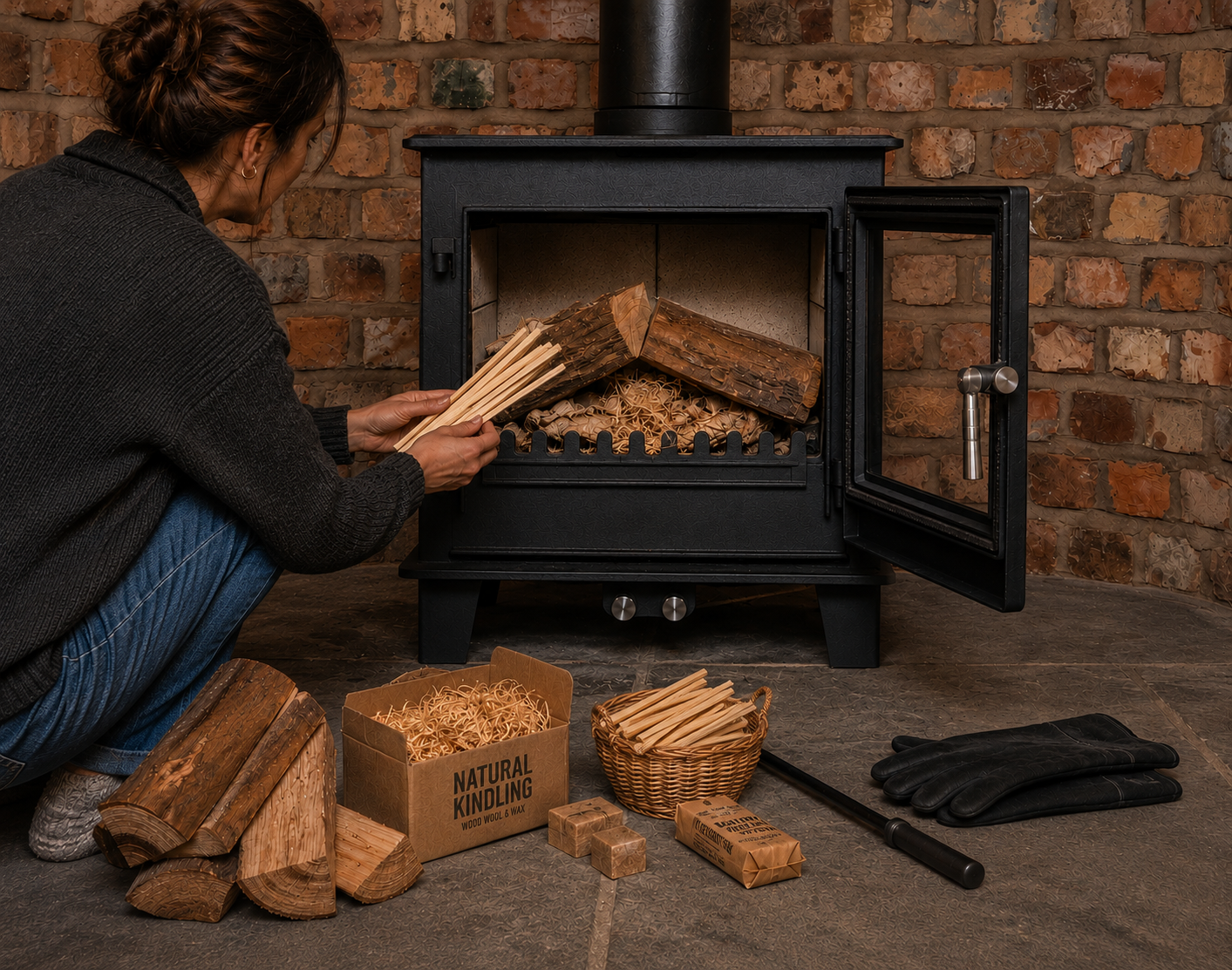
Preparing Your Stove for Use
Before lighting your stove, always ensure the air vents are open and the firebox is clear of excess ash. Using the correct kindling and firelighters will help establish a strong flame quickly and efficiently.
We recommend storing logs in a dry, ventilated area and only using quality fuels recommended for your appliance. Regular chimney sweeping and annual servicing are also important for safe and efficient stove performance.
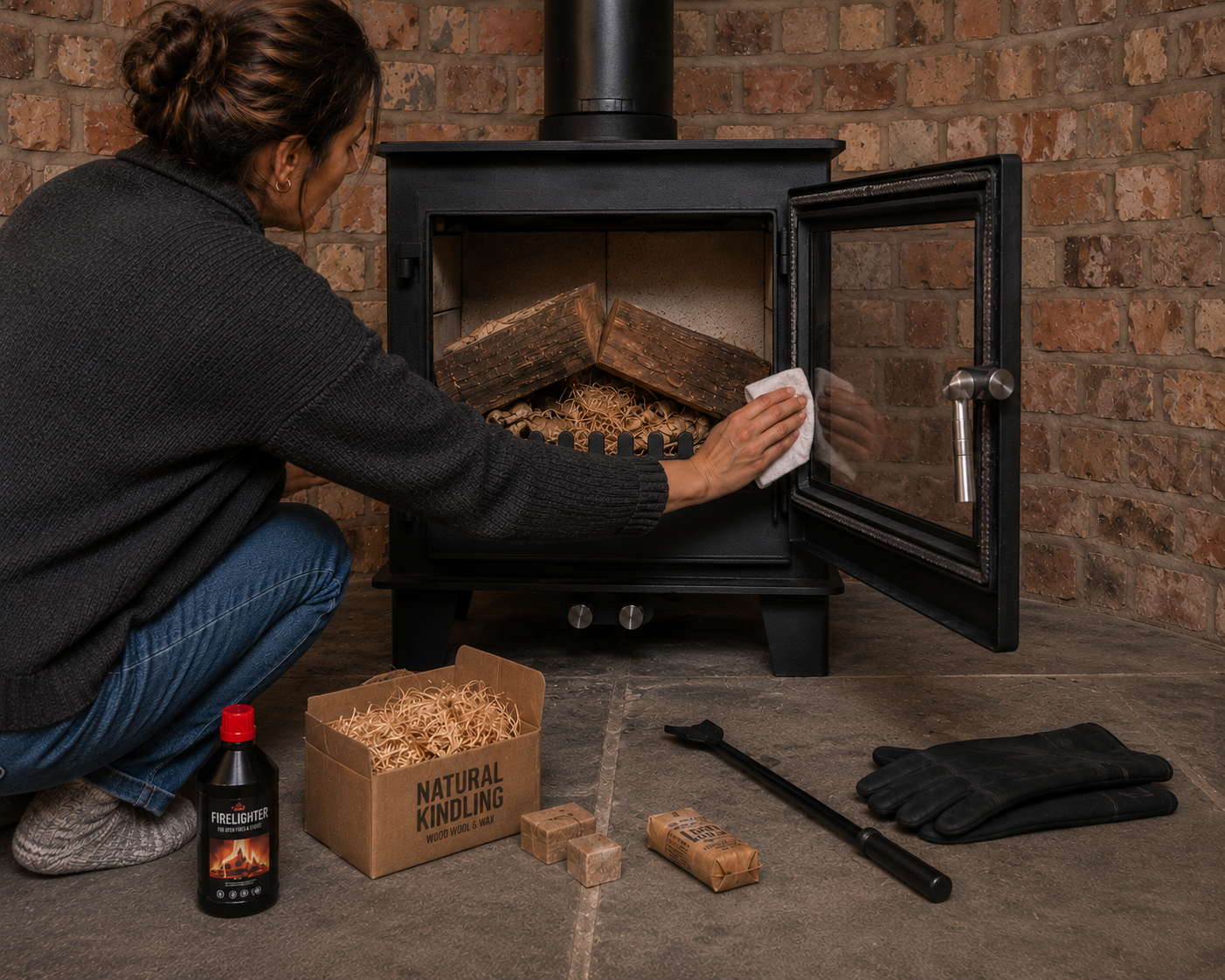
Keeping Your Stove Glass Clean
To keep your stove glass looking clear and clean, always burn dry, seasoned wood with a low moisture content. Wet or unseasoned logs create excess smoke and soot, which quickly blackens the glass. Running the stove at the correct temperature and avoiding long periods of slumbering will also help maintain a cleaner flame picture.
For everyday cleaning, allow the stove to cool completely before wiping the glass with a soft cloth and a stove glass cleaner. A traditional method many customers still use is dipping damp newspaper into cooled wood ash to gently remove marks from the glass.
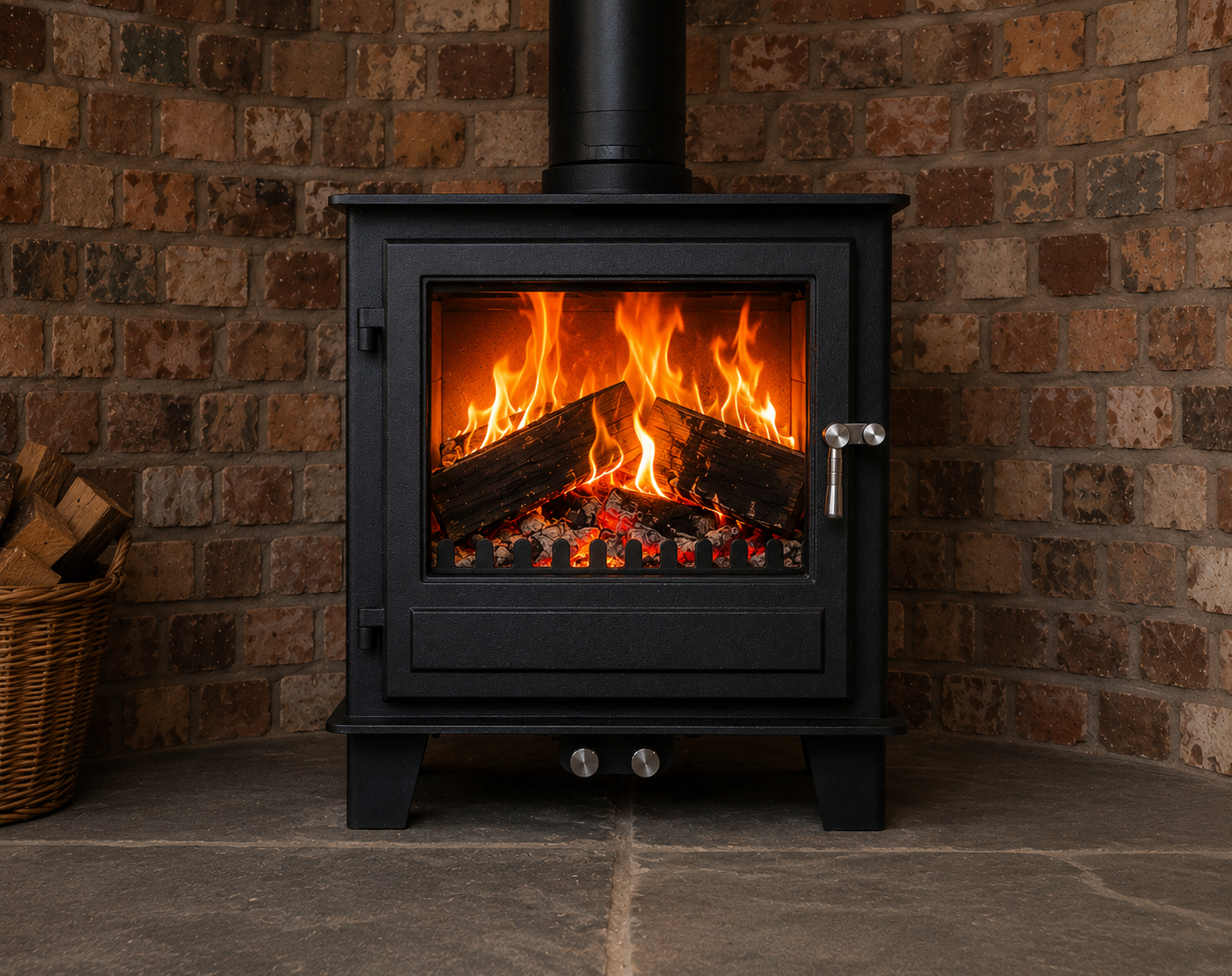
Burning Your Stove Correctly
The key to efficient burning is maintaining a lively flame rather than allowing the fire to smoulder. Burning at too low a temperature can cause soot build-up on the glass, inside the stove, and within the flue system.
Using dry wood, avoiding overloading the firebox, and allowing enough airflow will help your stove burn cleaner, produce better heat, and keep the glass clearer for longer. Multifuel stoves should also only be used with approved smokeless fuels where recommended.
Tips & Tricks
High Effiecency Gas
Before you get started, take a look at our handy tips and advice for operating, cleaning, and maintaining your HE gas fire. A little care and attention will help keep it looking great and performing efficiently.
Run the Fire on High First
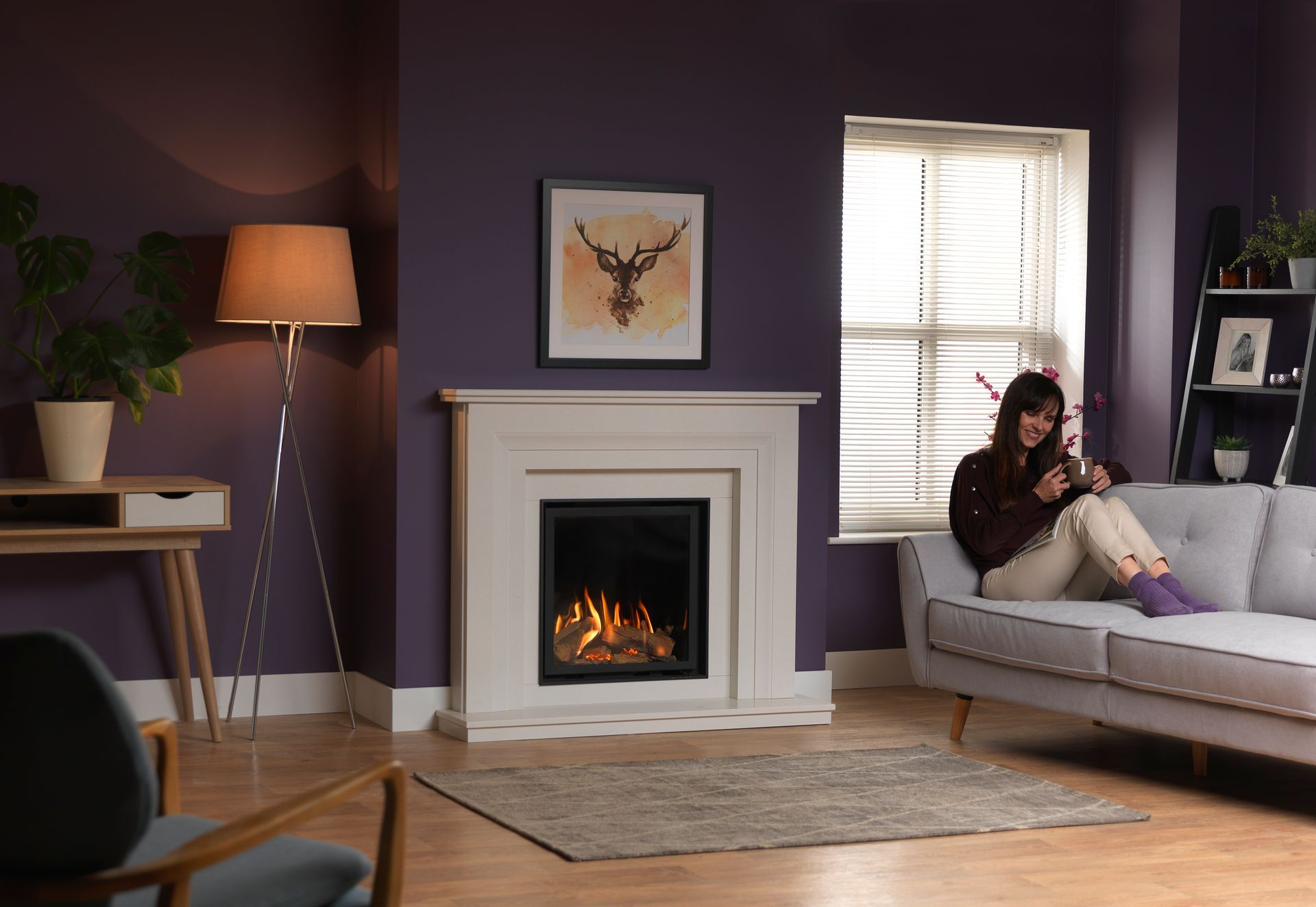
When lighting your gas fire, always run it on the highest setting for at least 30–45 minutes before turning it down to a lower setting.
This allows the appliance to reach its correct operating temperature and helps keep the glass cleaner by reducing condensation and residue build-up.
Regular & Longer Usage is Important
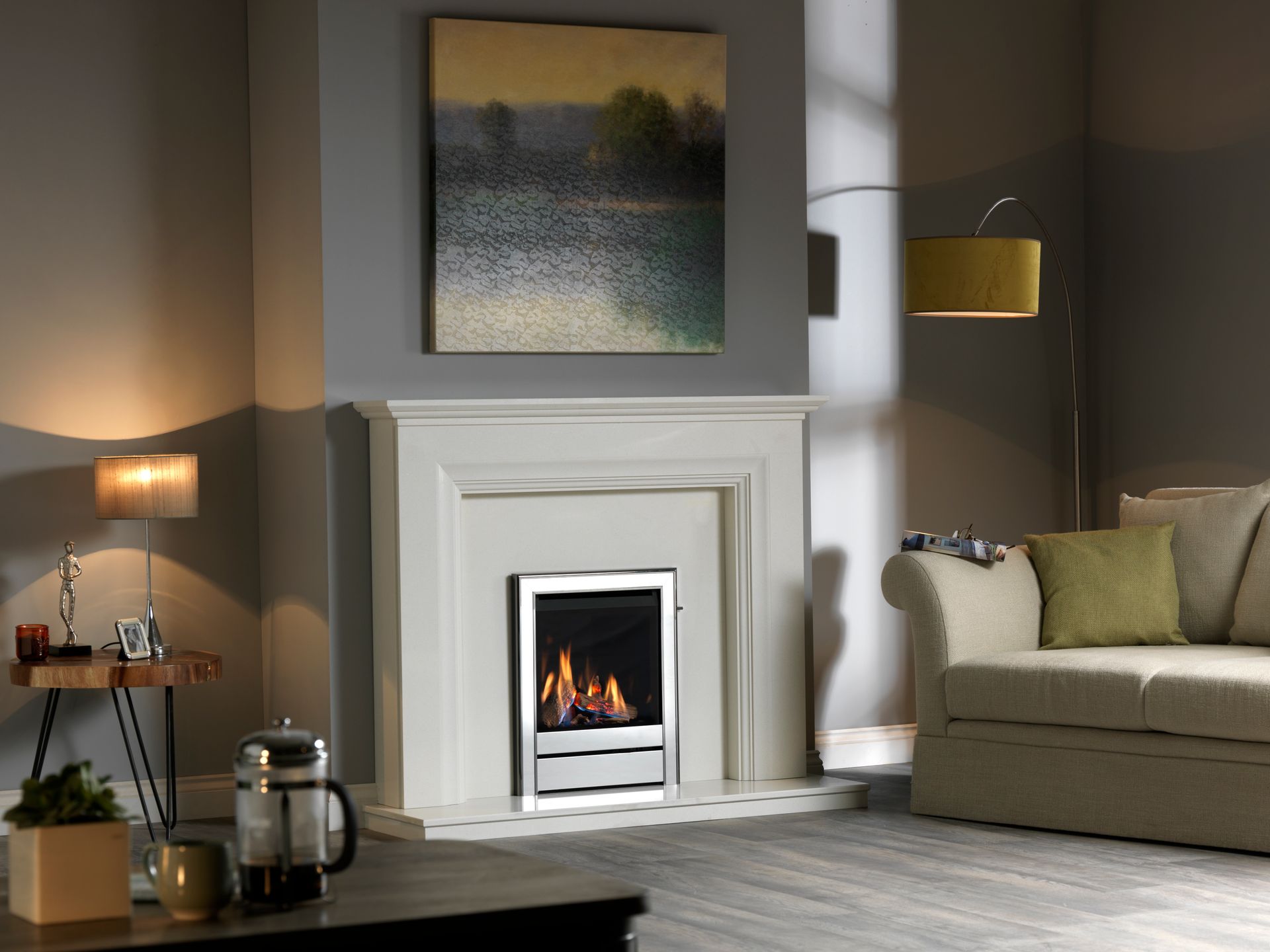
Glass fronted gas fires are designed to be used regularly and for longer periods of time, ideally no less than around an hour per use.
Frequent short bursts of use can increase build-up on the glass and affect the overall flame appearance.
Use the Fire Throughout the Year
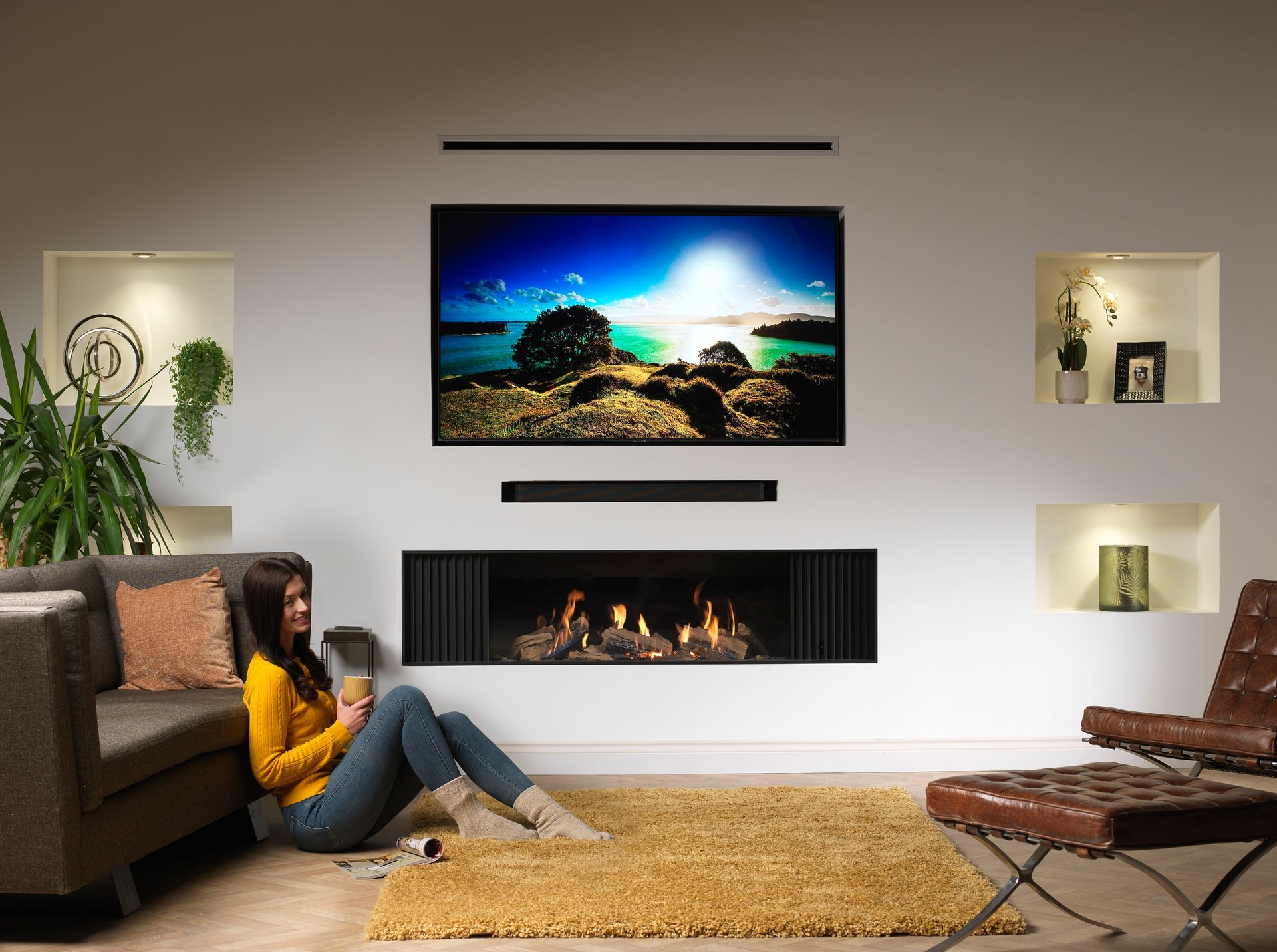
Even during the warmer summer months, it’s beneficial to occasionally use your gas fire. If left unused for longer than 2–3 months, dust can settle around the burners and inside the appliance.
On cooler summer days, we recommend running the fire for a couple of hours to help maintain performance and reduce dust build-up.
Tips & Tricks FAQs
How often should I have my fire or stove serviced?
Woodburning and multifuel stoves should have the chimney swept and inspected at least once a year to ensure they are operating safely and efficiently. Regular sweeping also helps prevent soot and tar build-up within the flue system.
Gas fires should be serviced annually by a qualified and registered gas engineer to maintain safe operation, efficiency, and performance.
Electric fires require very little maintenance and generally do not need annual servicing, making them a simple and low-maintenance heating option.
At Debrett Fires, we have our own in-house gas engineer for installations, servicing, and repairs, along with a registered chimney sweep for chimney sweeping, stove servicing, and solid fuel maintenance — helping you keep your appliance safe and performing at its best.
How do I clean my fireplace?
Different fireplace materials require different cleaning methods to keep them looking their best.
- Micro Marble – A light polish with a soft cloth is usually all that’s needed to maintain the finish.
- Limestone, Honed Granite & Matt Stone – We recommend using a magic sponge with water only. Avoid harsh chemicals or cleaning products as these can damage the natural finish.
- Slate Fireplaces – Slate oil is recommended every 4–8 weeks to help maintain the colour and finish, with light polishing in between applications.
- Geocast Fireplaces – Best cleaned using a soft microfibre cloth to remove dust and maintain the surface finish.
- Real Wood Beams & Surrounds – Cleaning and maintenance will depend on the finish applied to the timber. Generally, a soft dry or lightly damp cloth is recommended, avoiding strong cleaning products.
If you’re unsure on the best cleaning method for your fireplace or surround, our team at Debrett Fires will always be happy to help and advise.
Can I burn any type of wood in my stove?
No — for the best performance and safest operation, only dry, seasoned wood with a low moisture content should be burned in your stove. Using wet or unseasoned wood creates excess smoke, soot, and tar build-up within the stove and flue system, which can blacken the glass and reduce heating efficiency.
We also strongly advise against burning treated, painted, or chemically coated wood, as these materials can release harmful fumes and cause damage to both the appliance and chimney system.
Hardwoods such as oak, ash, and birch are commonly recommended as they burn cleaner, produce good heat output, and create less residue within the stove.
At Debrett Fires, we can also recommend trusted local wood suppliers to help ensure you are using the correct quality fuel for your appliance.
How do I know which fuel type is right for my home?
Choosing between gas, electric, woodburning, or multifuel can feel overwhelming, but during your showroom visit our team will guide you through every option to help find the right appliance for your home and lifestyle.
We take the time to thoroughly discuss your requirements, including the level of heat you need, how often the appliance will be used, the style and atmosphere you want to create, the age and insulation of the property, and whether your home has an existing chimney or flue system.
Every home is different, which is why we believe honest, practical advice is important when choosing your new fire or stove. In many cases, changing from your previous fuel type can actually be more beneficial for modern living — especially in homes with central heating, double glazing, and improved insulation where heating requirements may have changed over time.
At Debrett Fires, our experienced team will help you understand the benefits of each option and recommend the most suitable appliance for your home, heating needs, and day-to-day lifestyle.
What is the difference between woodburning and multifuel stoves?
Woodburning stoves are designed specifically for burning logs and typically do not include a riddling grate or ash pan. Wood burns best on a bed of ash, meaning the stove usually requires less day-to-day cleaning and offers a simpler style of operation with fewer controls to manage.
Multifuel stoves, however, are designed to burn both wood and approved smokeless fuels such as anthracite at different times. These fuels should never be burned together, as mixing fuels can create harmful sulphuric acid deposits which, over time, can damage and rot through the chimney liner.
Multifuel stoves include a grate and ash pan system which allows airflow underneath the fuel, helping smokeless fuels burn more efficiently and for longer periods of time.
When using smokeless fuels, the ash pan and grate will generally require daily cleaning and emptying to maintain correct airflow and performance. Multifuel stoves are often chosen by customers looking for longer burn times, overnight burning capability, or greater flexibility in fuel choice.
At Debrett Fires, our team can help explain the benefits of each option and recommend the most suitable stove for your lifestyle, heating requirements, and day-to-day usage.
Will a stove heat my whole house?
In most cases, a stove is primarily designed to heat the room or main living area where it is installed. However, depending on the size of the appliance, the heat output, and the layout of the property, many stoves can also provide warmth to surrounding rooms and open-plan areas.
Larger woodburning and multifuel stoves are capable of producing substantial heat, making them ideal for older properties, open-plan living spaces, or homes where additional warmth and atmosphere are desired during colder months.
The way heat travels throughout the home will depend on several factors including room sizes, ceiling heights, insulation levels, whether doors are left open, and the overall airflow within the property. Modern homes with double glazing and improved insulation may also require a lower heat output than older, more traditional properties.
At Debrett Fires, we carefully discuss your room size, property type, and heating expectations during your showroom visit to ensure the stove selected provides the right balance of heat, comfort, efficiency, and flame enjoyment for your home.
Can I have a stove or fire without a chimney?
Yes — many modern stove and fire installations can be completed without a traditional chimney.
For gas stoves and fires, balanced flue models are a popular option. These appliances use a sealed flue system which vents directly through an external wall, making them ideal for homes without an existing chimney breast or flue. Balanced flue gas appliances still provide realistic flames and excellent heat output while offering greater installation flexibility.
For woodburning and multifuel stoves, a twin wall flue system can often be installed instead of a conventional chimney. Twin wall systems are insulated flue pipes designed to safely carry fumes from the appliance through the property and out through the roof or an external wall. These systems can be installed in both single and two-storey properties, allowing customers to enjoy a real stove even in homes without a chimney.
Electric fires require no chimney or flue at all, making them one of the most flexible options for modern homes and media wall installations.
At Debrett Fires, we will assess your property layout, room location, and installation options during your showroom visit to advise on the most suitable solution for your home.